Dedicated to historical and cultural studies about Iran



 Feb 24, 2026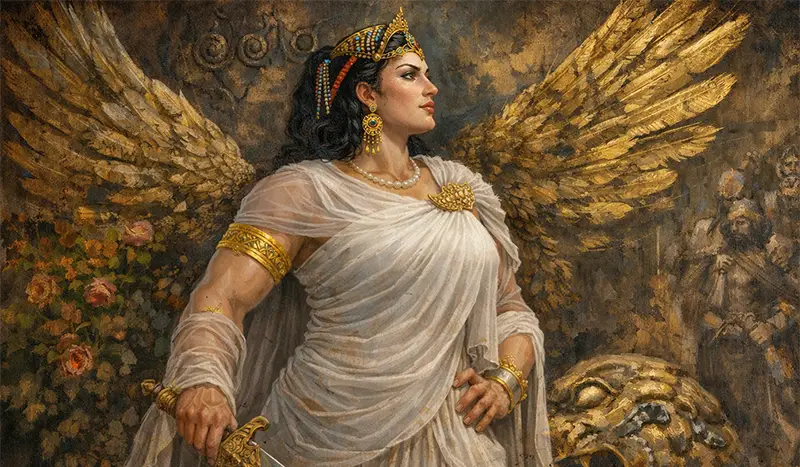
Iranian (Persian) epic stories speak of women who at times stood at the very front of the battlefield. In the legends of some of them, we see the defense of homeland, lineage, and truth as central themes.
Feb 19, 2026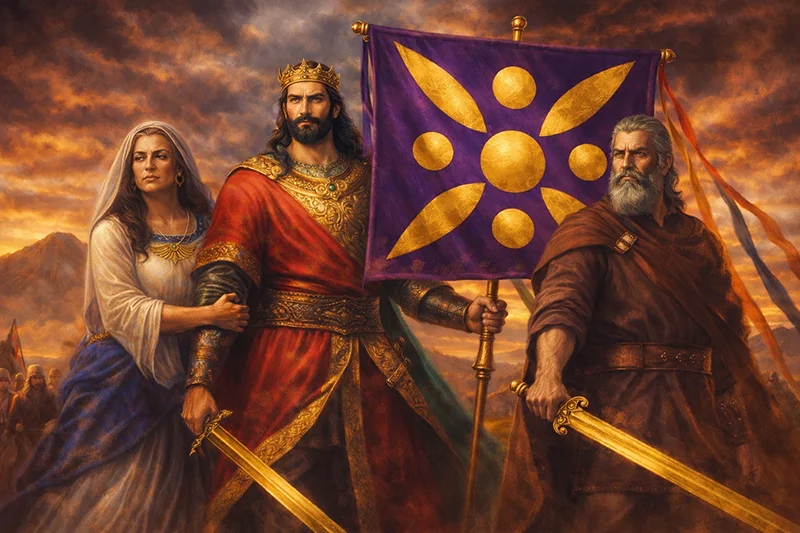
Faranak’s maternal sacrifice marks the beginning of a long, painful resistance against the tyranny of Zahhak. With enduring hardship, Faranak saves her child from Zahhak’s grasp, carries him to distant lands, and for years bears the strain of fear and hope.
Feb 18, 2026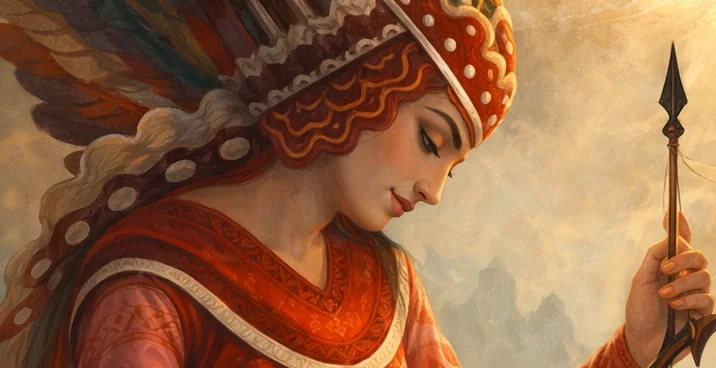
Sepandārmazgān is a celebration that places special emphasis on love between husband and wife and on strengthening their bond after marriage. Married couples may regard this day as a celebration devoted especially to their own shared life.
Feb 18, 2026
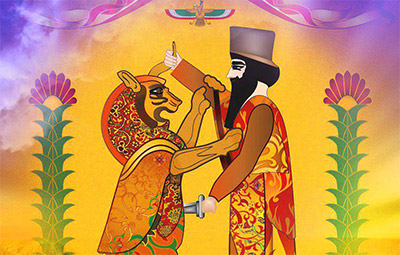
Through violence, sorcery, and cruelty, Zahhak reigns for ages. All live in fear. It is a dark era marked by terror and bloodshed. The story warns us not to underestimate tyrants. With injustice alone, Zahhak rules longer than any other king in the Shahnameh.
Feb 18, 2026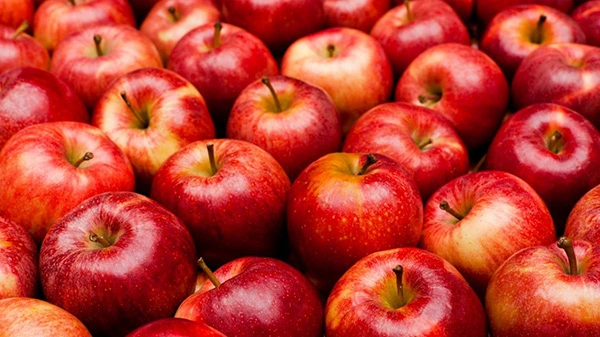
In one noteworthy proposal, the apple is considered the symbol of the ancient festival of Spandarmazgān. Various studies indicate that ancient Iranians were aware of the earth’s spherical form.
Dec 31, 2025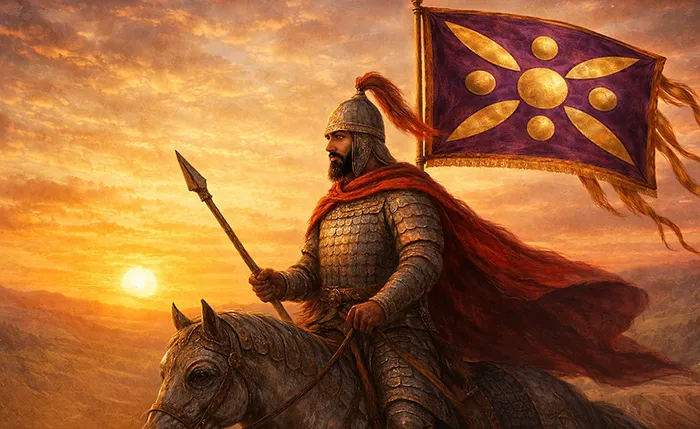
Stories of myths, legends, and epics have helped sustain and preserve Iranian identity. Within these narratives, we can clearly see processes of both difference and continuity, revealing how such stories have shaped Iranian identity. If they did not play the most important role in maintaining this identity, we can at least say that they were among its most significant pillars.
Dec 31, 2025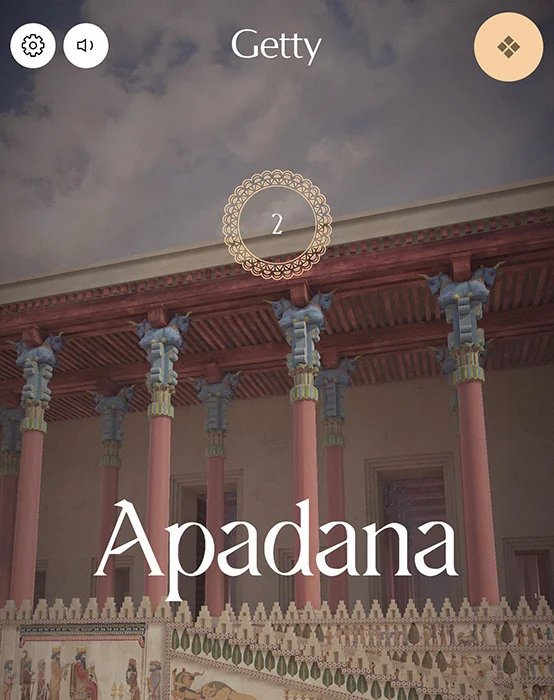
The reconstruction of the palaces of Persepolis in the Getty Museum’s online exhibition has been created in 3D. Creating such an exhibition in a web-based format is truly fascinating, and it’s rare to see projects like this on websites. At the end of this article, you’ll find the link to access the exhibition.
Dec 28, 2025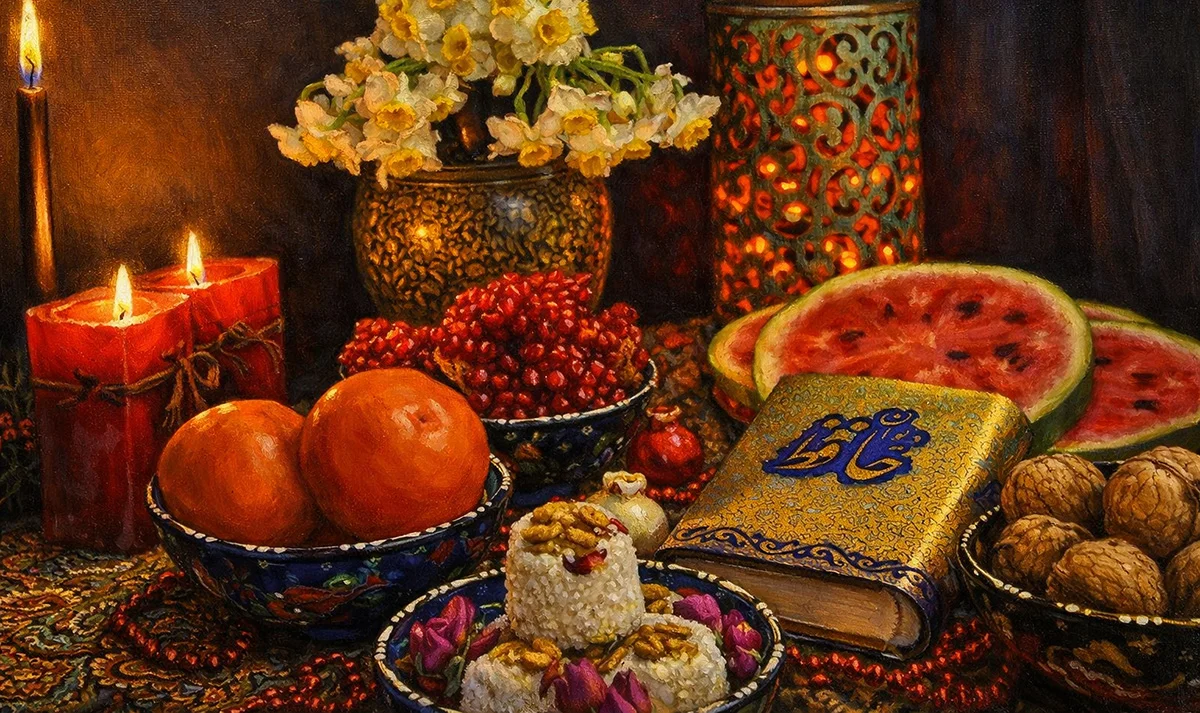
Yalda is an ancient celebration that has gained new meaning today. Once tied to solidarity and the return of light for farmers, it now reminds us to put phones aside, meet face-to-face, think, and enjoy being together.
Dec 28, 2025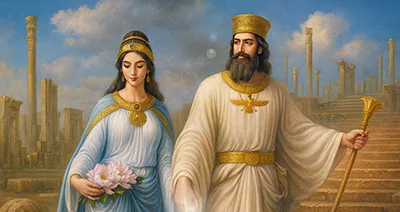
The monogamy of Cyrus the Great is a shared theme in the sources. From Greek sources, Babylonian sources, and the Behistun inscription, this matter can be understood. In the Babylonian sources, a great mourning ceremony for him is mentioned. Considering Cyrus’s good reputation in the sources and his character, it is not surprising that he had one chosen wife.
Dec 3, 2025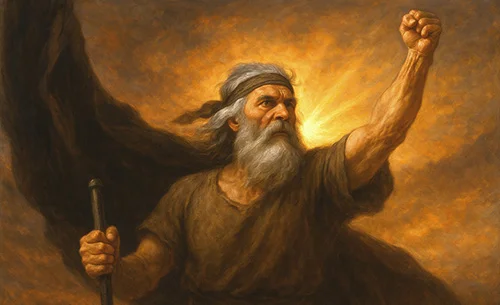
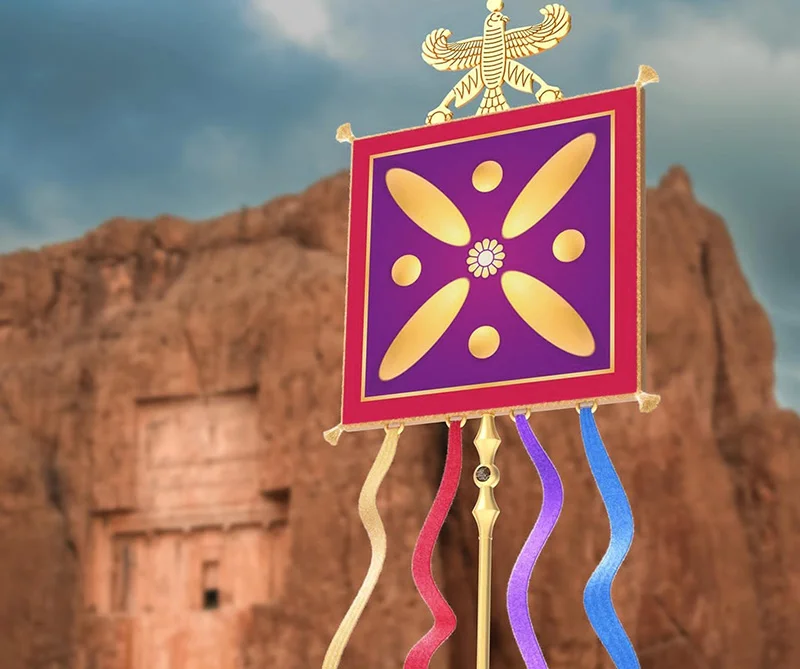
After Kaveh’s sons were killed by Zahhāk, the blacksmith courageously rose against the tyrant. Leaving Zahhāk’s palace, Kaveh lifted his leather apron upon a spear and proclaimed: “Whoever desires the death of this demonic and oppressive Aži-Dahāka, and seeks the kingship of Fereydun, join me!”